Shipbuilders, Rebels, and Peacemakers
Ride through the streets that built the Titanic and witnessed history in the making.
Table of Contents
From Linenopolis to the Titanic
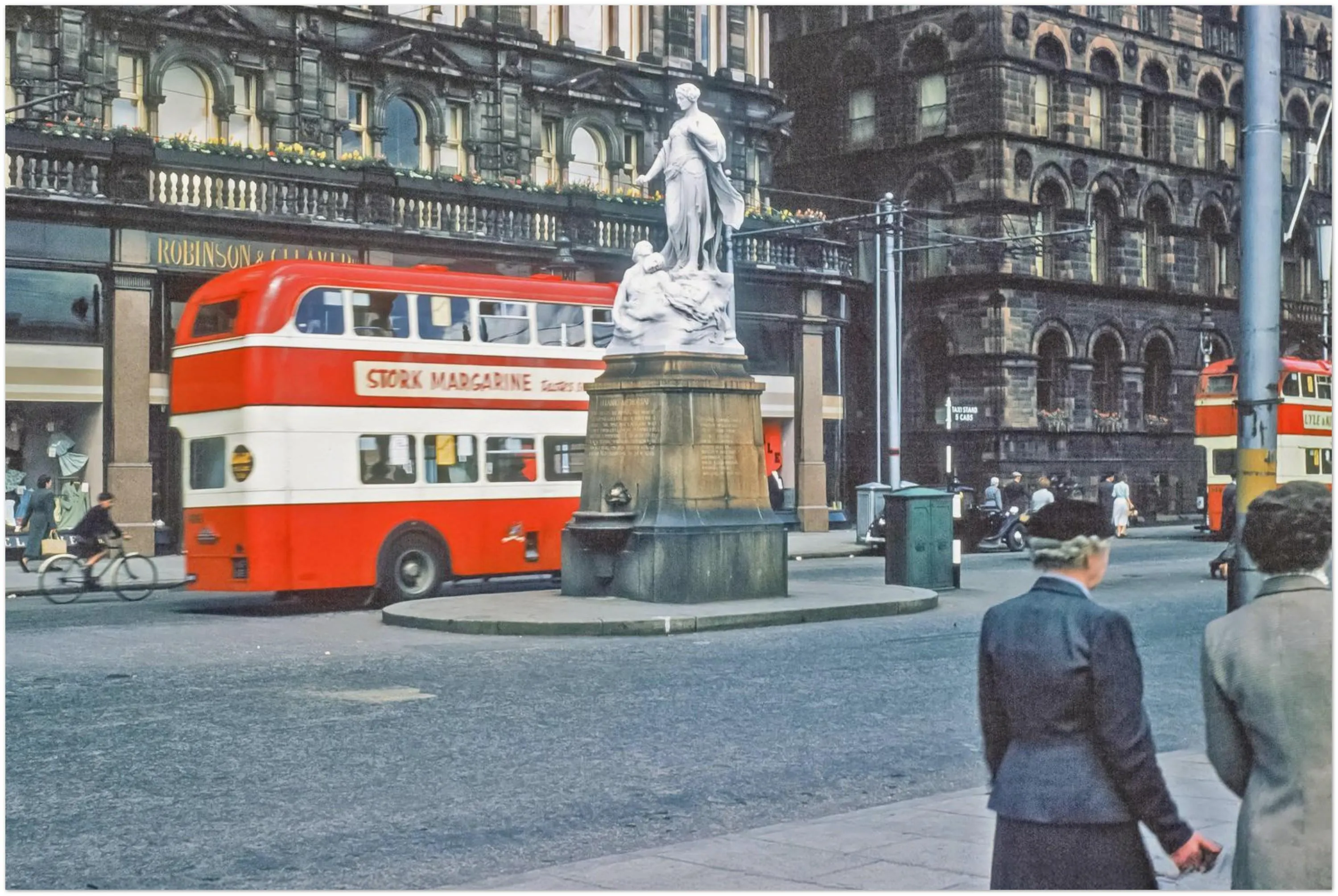
Long before it was known for political strife, Belfast was a global industrial powerhouse. In the 19th century, it was the linen capital of the world, earning the nickname 'Linenopolis'. As your bus drives past old red-brick mills and warehouses, you are seeing the remnants of an era when this city clothed the world.
Then came the ships. The Harland & Wolff shipyard, with its iconic yellow gantry cranes 'Samson' and 'Goliath' dominating the skyline, built some of the most famous vessels in history, including the RMS Titanic. The hop-on hop-off route takes you right into the heart of this industrial heritage, where the slipways still sit by the water's edge—a poignant reminder of triumph and tragedy.
Victorian Grandeur & City Hall
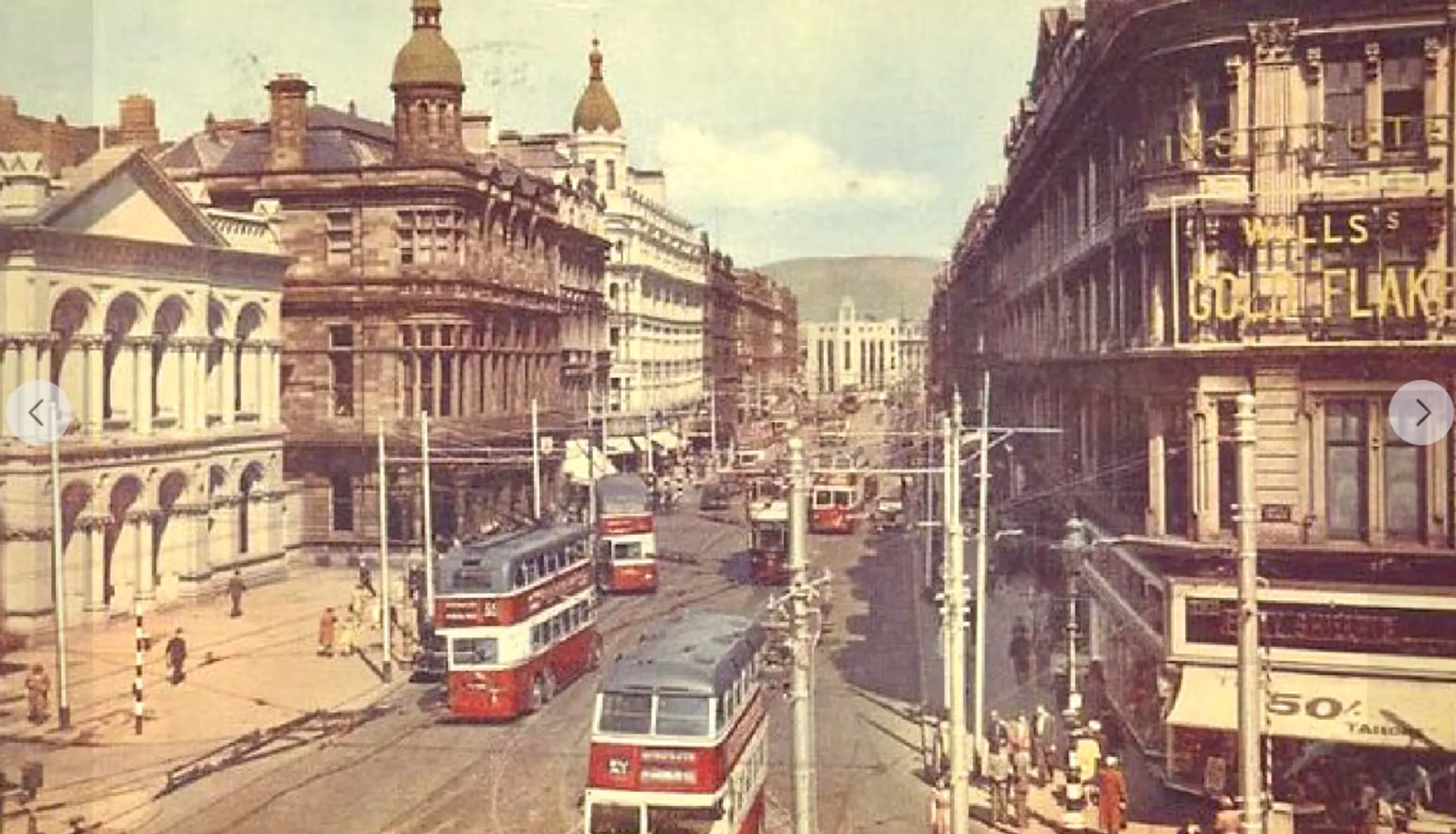
The route usually circles the magnificent Belfast City Hall, a baroque revival masterpiece completed in 1906 to reflect the city's newfound city status and wealth. Its copper dome and Portland stone façade are a testament to the optimism of the Edwardian era. The grounds are filled with statues, including a memorial to the Titanic victims.
From the top deck, you can admire the architectural details that you might miss from the street—the carvings, the sheer scale of the banks and linen warehouses that line the surrounding streets. Hopping off here puts you in the absolute centre of the city, perfect for shopping or starting a walking tour.
St George's Market & The Entries
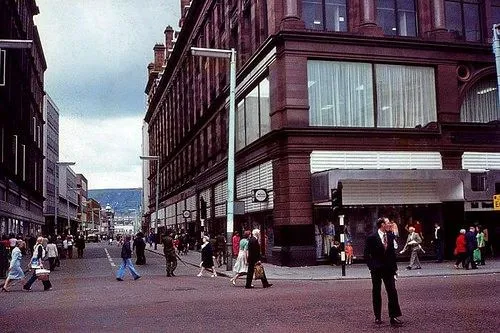
A short ride from City Hall brings you to St George's Market, the last surviving Victorian covered market in Belfast. If you are visiting on a Friday, Saturday, or Sunday, hopping off here is mandatory. The market is alive with fresh fish, local crafts, antiques, and live music. It's a sensory overload in the best possible way.
Nearby, hidden narrow alleyways known as 'The Entries' run between the main streets. These historic lanes, like Pottinger's Entry and Joy's Entry, were once the haunt of rebels and writers. Today, they house some of the city's oldest and most atmospheric pubs. The bus can't drive down them, but they are just steps away from the main route.
The Lagan & The Shipyards
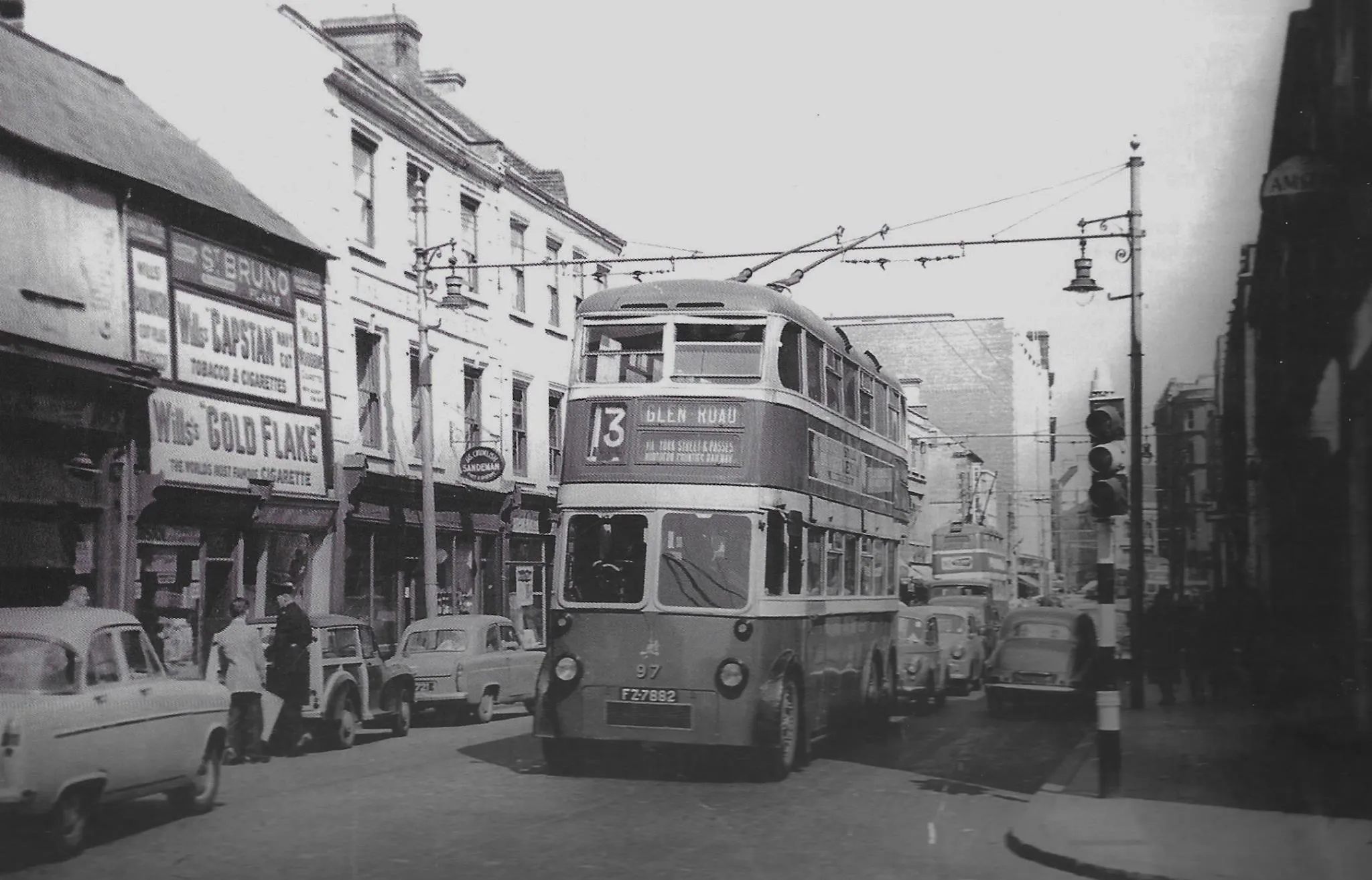
Crossing the River Lagan, the bus enters the Titanic Quarter. This area has been transformed from derelict industrial land into a gleaming waterfront district. The star is Titanic Belfast, an architectural marvel shaped like the prows of ships. Inside, nine interactive galleries take you from the boomtown of Belfast to the launch, the sinking, and the aftermath.
Stay on the bus a little longer to see the Pump House and the vast dry docks where the massive ocean liners were fitted out. You'll also pass HMS Caroline, the only surviving ship from the Battle of Jutland in WWI, now a floating museum. It's a vivid journey through naval and maritime history in just a few stops.
Queen's Quarter & The University
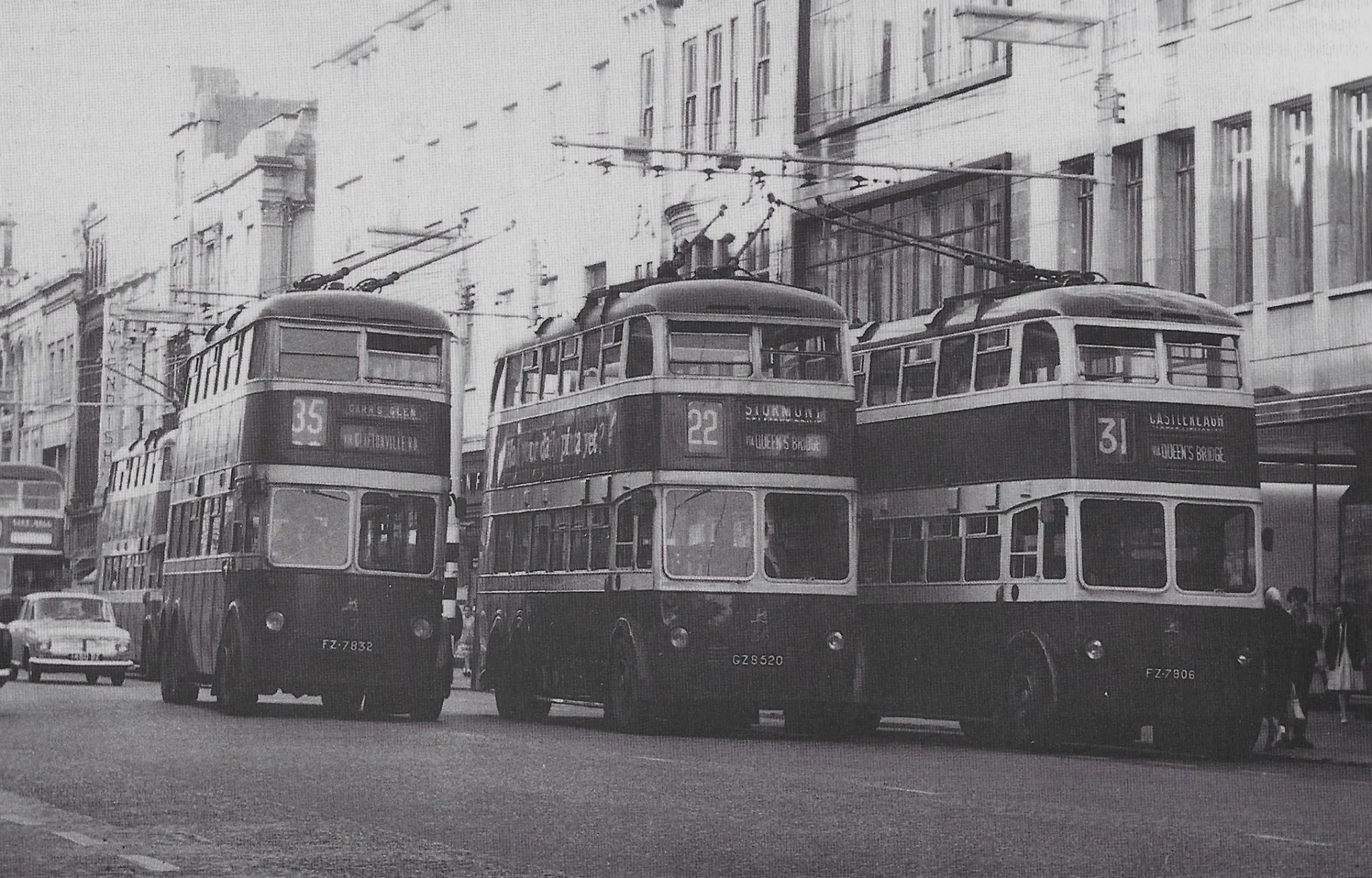
Heading south from the city centre, the bus climbs towards the Queen's Quarter. The centerpiece is the stunning Lanyon Building of Queen's University, a Tudor-Gothic masterpiece that looks like it belongs in a Harry Potter film. The area feels different here—leafy, academic, and relaxed.
Right next door are the Botanic Gardens, home to the exquisite Palm House, and the Ulster Museum. The museum is a treasure trove of art, history, and natural science (and it's free!). Hopping off here allows for a peaceful break from the bustling city centre. You can wander through the gardens or grab a coffee in the vibrant student area.
The Cathedral Quarter & Arts
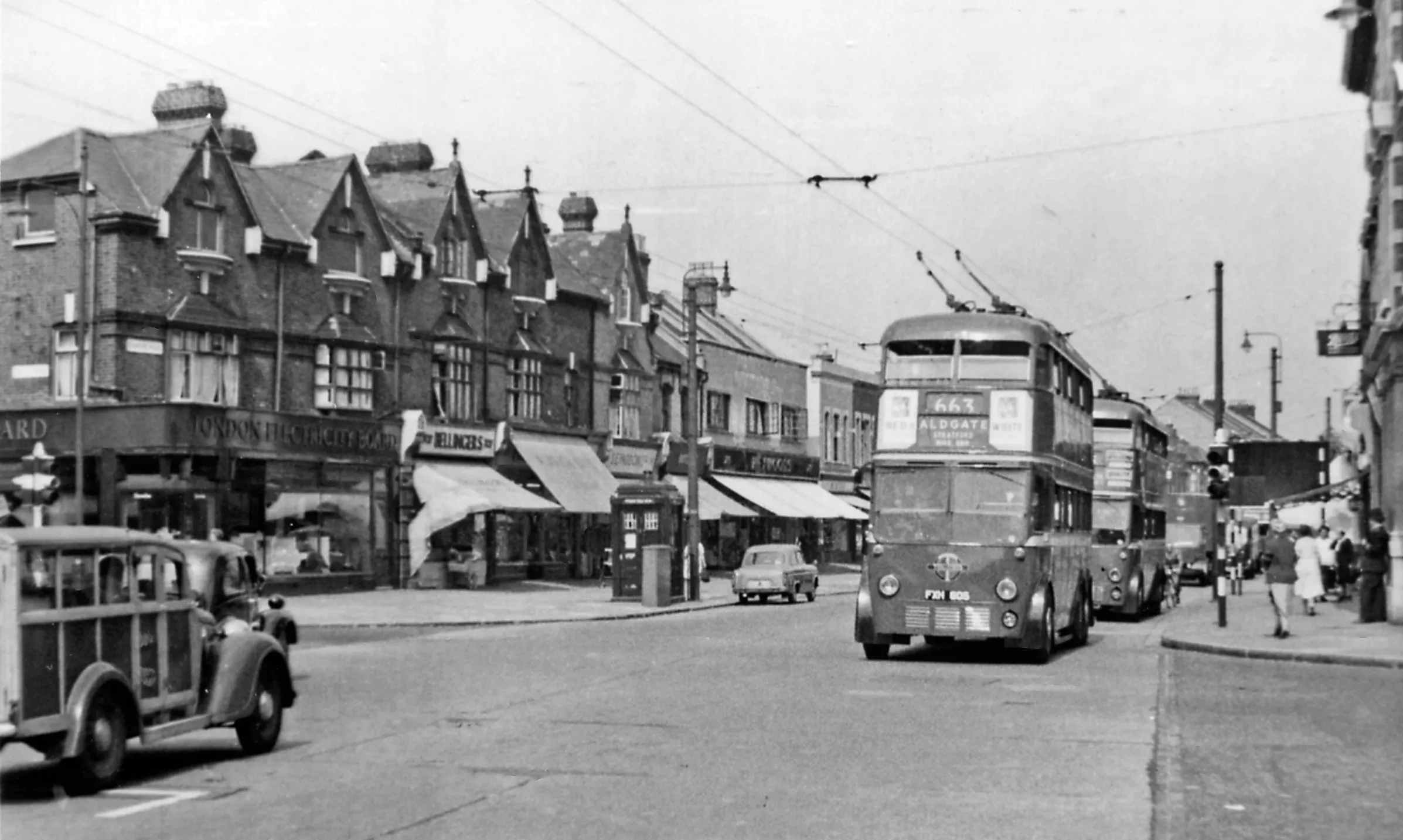
Back towards the centre lies the Cathedral Quarter, named after St Anne's Cathedral. This is the cultural heartbeat of modern Belfast. From the bus, you'll see cobblestone streets, street art, and the inviting glow of pubs and restaurants. It is the place to be in the evening.
During the day, it's a hub for arts organizations and galleries. The bus route skirts this area, giving you a glimpse of the murals of famous local figures and the juxtaposition of old whiskey bonding warehouses turned into trendy hotels. It’s a great place to end your tour and grab dinner.
West Belfast: The Peace Walls
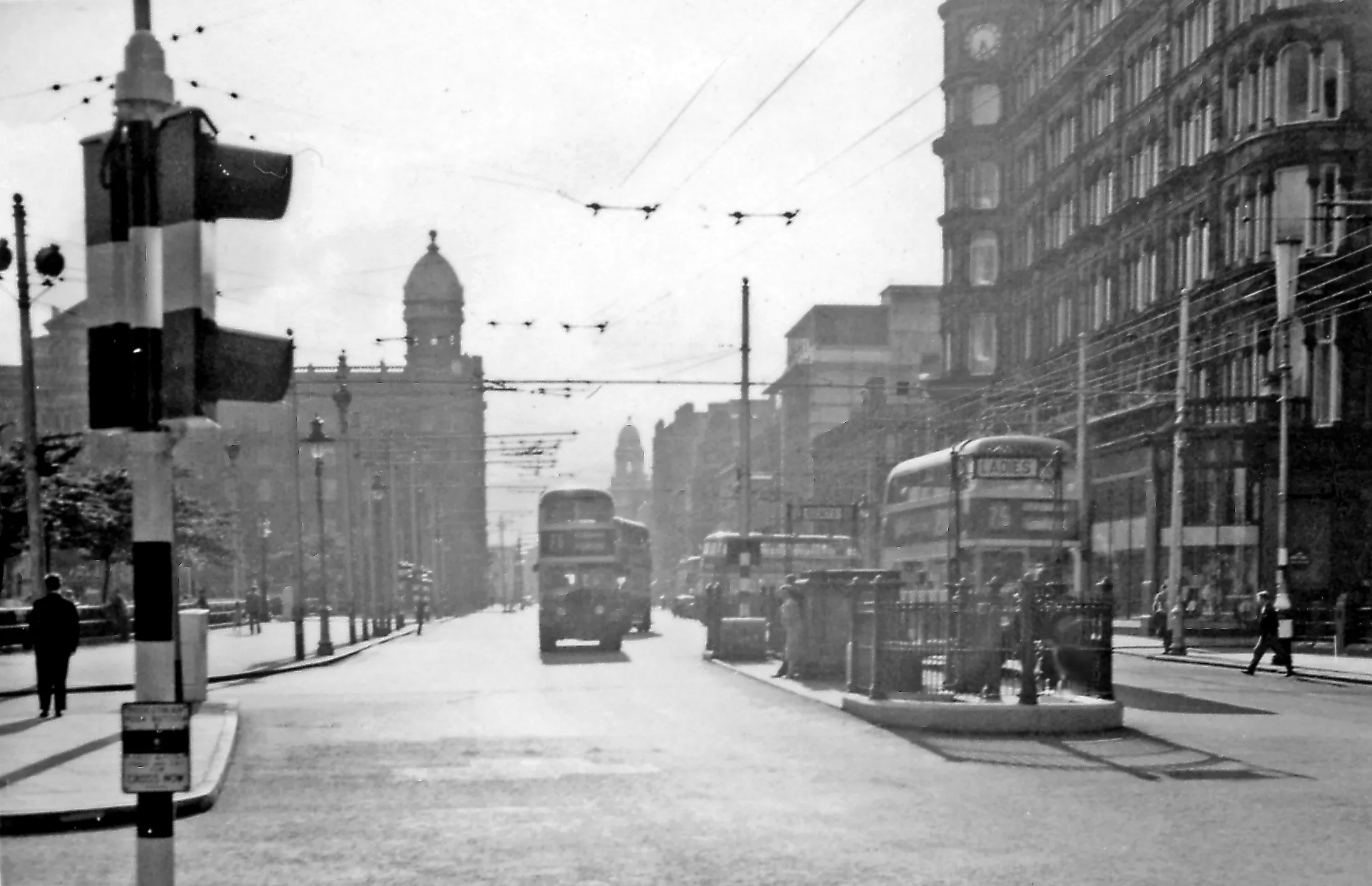
Perhaps the most moving part of the tour is the loop into West Belfast. The bus travels up the Falls Road (traditionally Republican/Nationalist) and down the Shankill Road (traditionally Loyalist/Unionist). Separating them is the 'Peace Wall', a series of barriers built to keep communities apart during the Troubles.
Seeing the murals—depicting everything from local paramilitary figures to international solidarity causes—is a powerful educational experience. The live guides are exceptional here, explaining the symbols, the history, and the context with neutrality and respect. You can even hop off to sign your name on the Peace Wall, joining visitors like the Dalai Lama and Bill Clinton.
Safety & A Warm Welcome
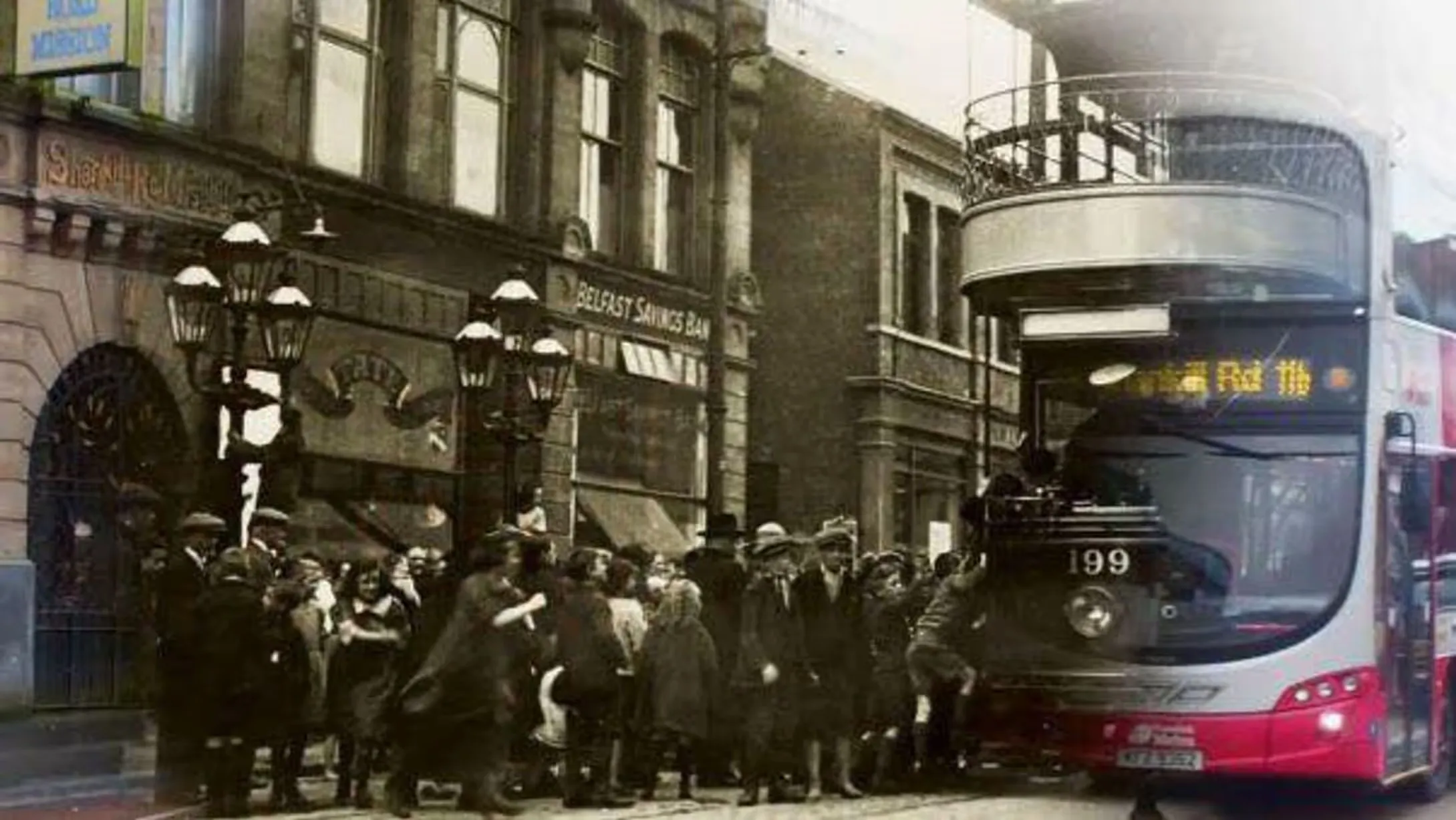
Visitors often ask if Belfast is safe. Today, it is one of the safest and friendliest cities in Europe. The 'Troubles' are a part of history, not daily life. You will find the locals incredibly welcoming, eager to share a story or give directions. The atmosphere is one of optimism and pride in how far the city has come.
The hop-on hop-off bus is a very safe environment. The open-top nature means you are always visible, and the route sticks to main roads and tourist areas. Whether you are walking the Maritime Mile or exploring the murals, you need take only normal big-city precautions.
Music, Culture & Festivals
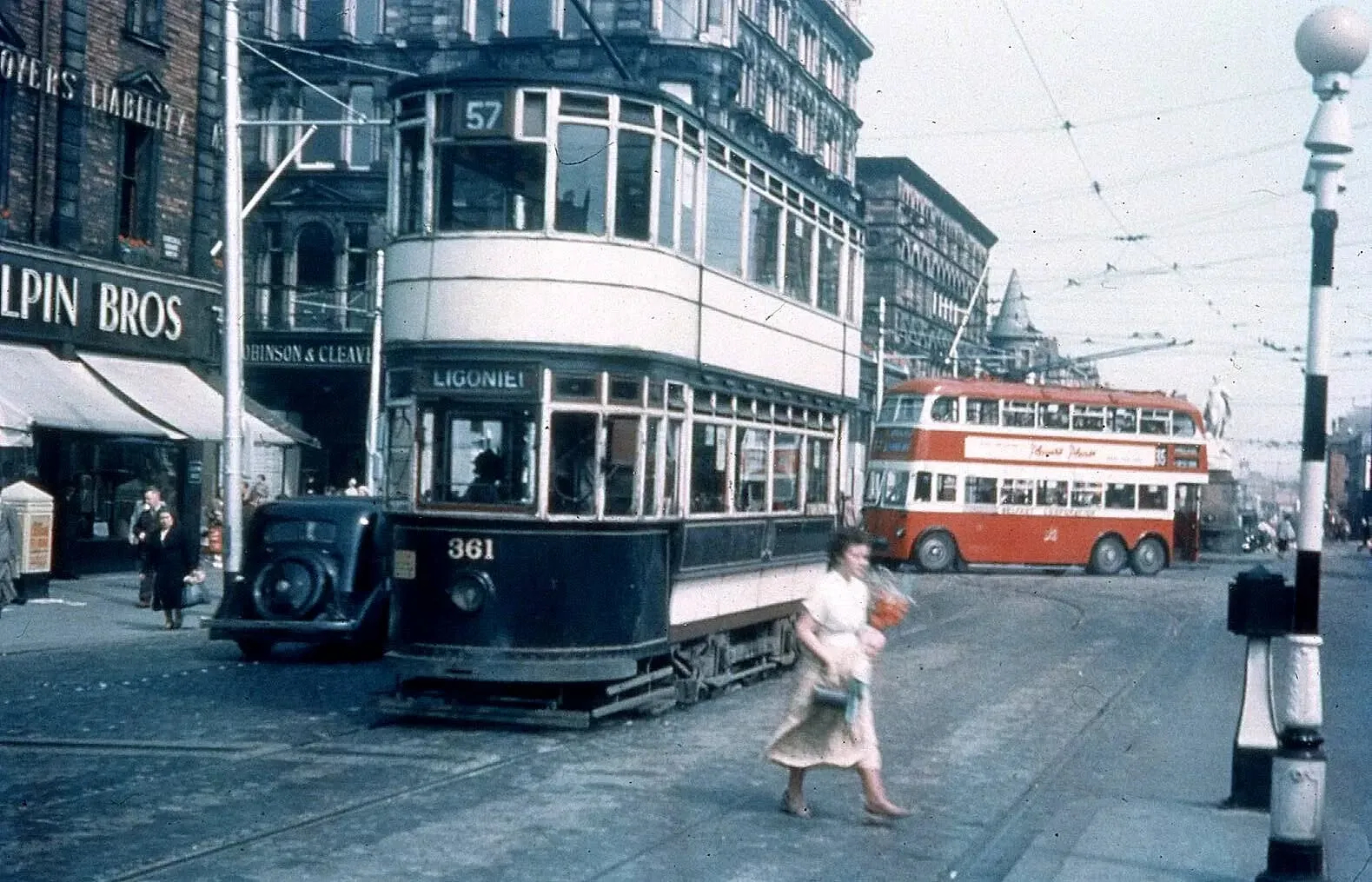
Belfast is a UNESCO City of Music. As you ride through the city, your guide might point out the Ulster Hall, where Led Zeppelin first played 'Stairway to Heaven', or the Van Morrison trail in East Belfast. Music spills out of pubs every night of the week.
The city also hosts numerous festivals, from the Belfast International Arts Festival to the lively Christmas Market at City Hall. If you visit during these times, the bus often gets you close to the action, though routes might divert slightly for parades or street parties.
Planning Your Loop
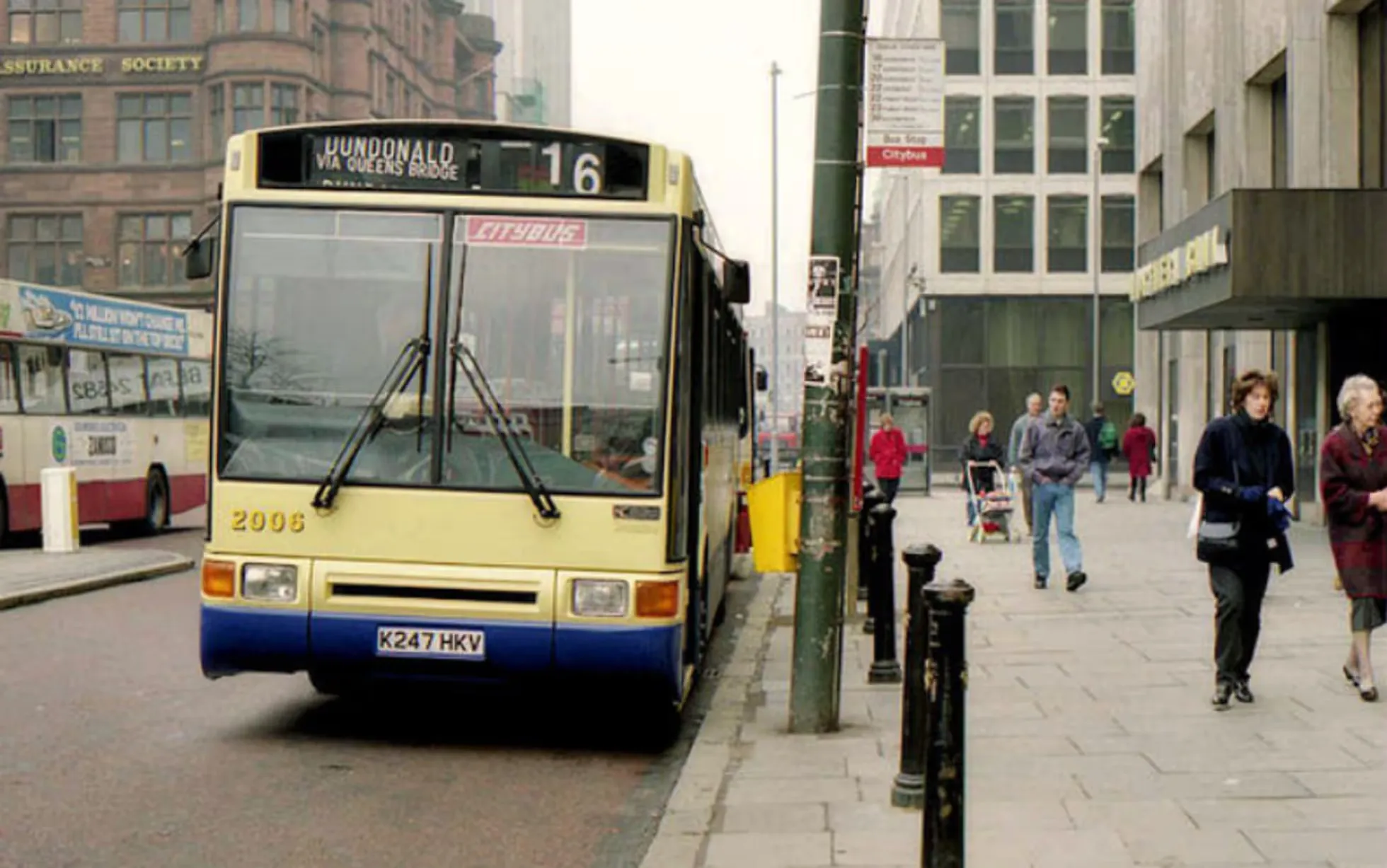
To get the most out of your ticket, plan your 'hops'. We recommend doing one full loop first (about 1.5 hours) to get your bearings and hear the full commentary. Then, decide which 2 or 3 stops you want to explore in depth.
A popular itinerary is: Morning at Titanic Belfast (2-3 hours), hop on to the Peace Walls for photos and history (30 mins), then finish at St George's Market for lunch or the Ulster Museum for an afternoon of culture. Don't try to do everything—Belfast deserves to be savored.
Regeneration & Growth
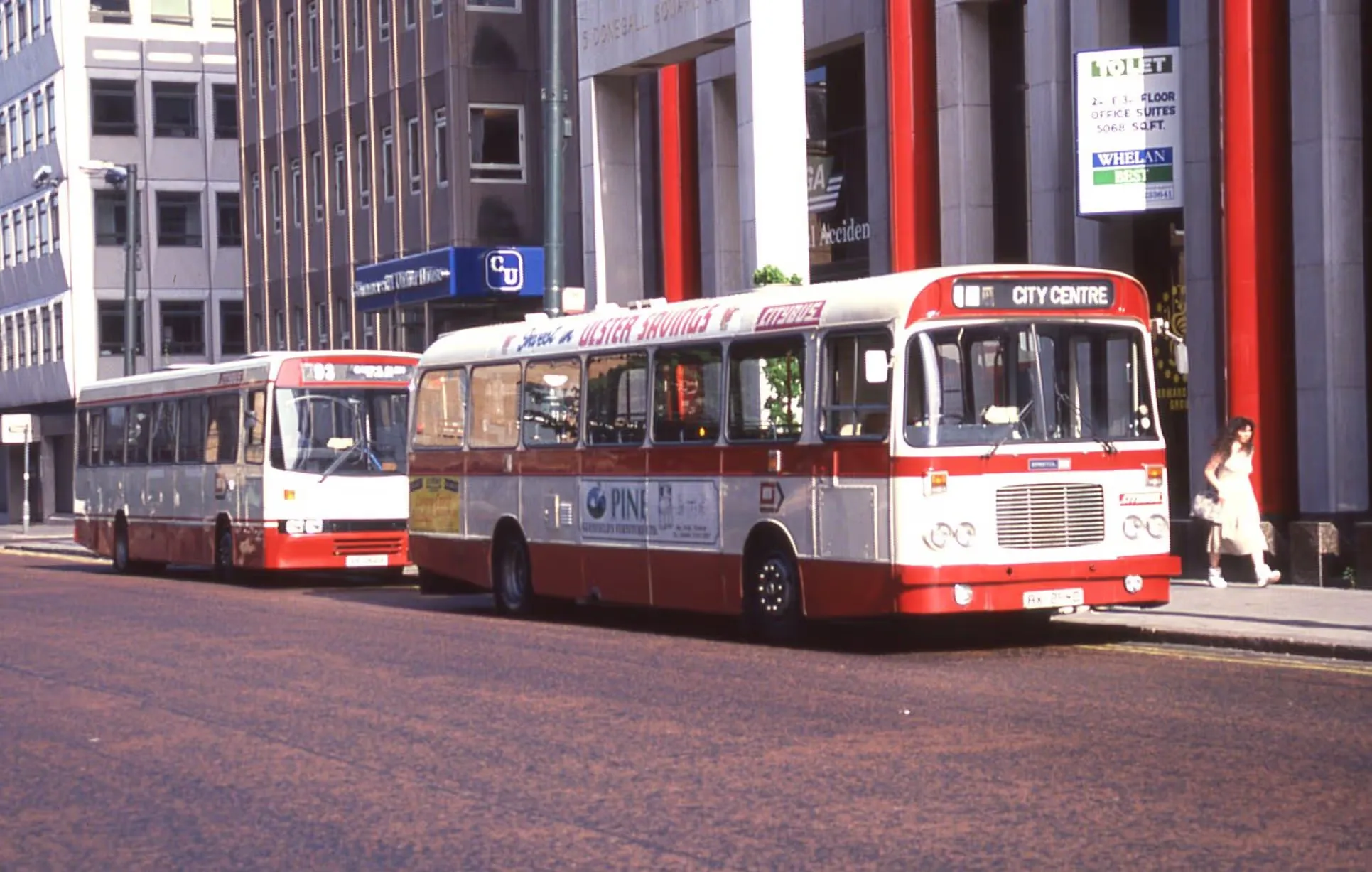
From the top deck, the theme of regeneration is visible everywhere. Glass office blocks rise beside Victorian banks; the old shipyard paint hall is now a production studio for 'Game of Thrones'. Belfast is a city transforming before your eyes.
Your ticket contributes to this economy. By visiting, you are part of Belfast's new chapter as a world-class tourism destination. The pride the guides take in showing off the 'new' Belfast is palpable and infectious.
Beyond the City: The Causeway Coast
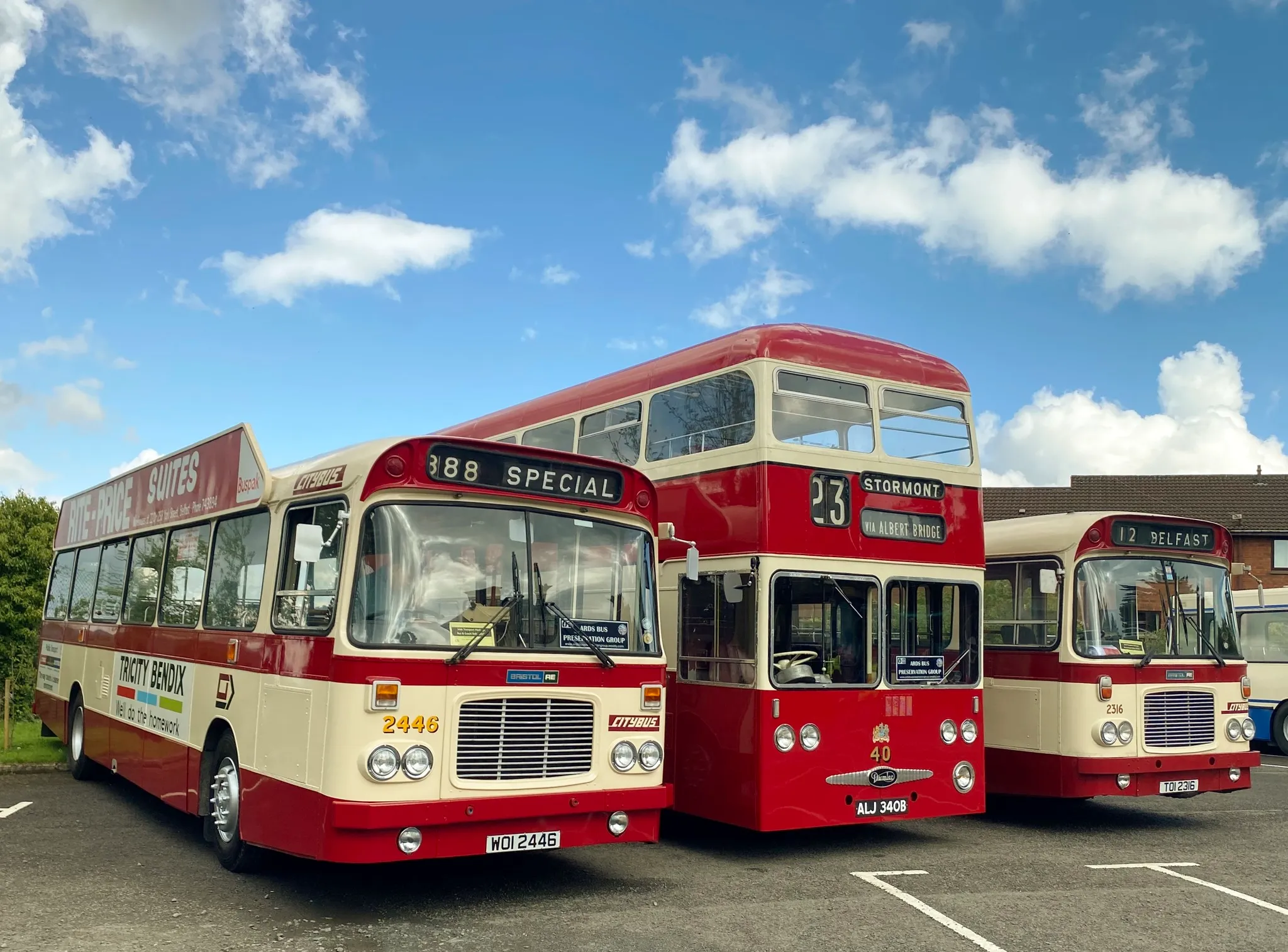
While the bus covers the city, many operators offer combo tickets that include a day trip to the Giant's Causeway. This UNESCO World Heritage site is about an hour and a half away. Using Belfast as your base, you can explore the city one day and the coast the next.
Ask the staff at the bus stop about these combos. It's often cheaper to book them together, and the coaches usually depart from the same central location, making logistics a breeze.
Why the bus tells Belfast's story
Belfast is a complex tapestry of communities. Walking from one area to another can sometimes feel like crossing invisible lines. The bus weaves these threads together, showing you how the shipyards connected to the workers' housing, and how the city centre served as neutral ground.
It gives you the 'big picture' perspective that you can't get on foot. By the time you step off for the last time, you won't just have seen the sights; you'll have a deeper understanding of the soul of this resilient, humorous, and fascinating city.
Table of Contents
From Linenopolis to the Titanic
Long before it was known for political strife, Belfast was a global industrial powerhouse. In the 19th century, it was the linen capital of the world, earning the nickname 'Linenopolis'. As your bus drives past old red-brick mills and warehouses, you are seeing the remnants of an era when this city clothed the world.
Then came the ships. The Harland & Wolff shipyard, with its iconic yellow gantry cranes 'Samson' and 'Goliath' dominating the skyline, built some of the most famous vessels in history, including the RMS Titanic. The hop-on hop-off route takes you right into the heart of this industrial heritage, where the slipways still sit by the water's edge—a poignant reminder of triumph and tragedy.
Victorian Grandeur & City Hall
The route usually circles the magnificent Belfast City Hall, a baroque revival masterpiece completed in 1906 to reflect the city's newfound city status and wealth. Its copper dome and Portland stone façade are a testament to the optimism of the Edwardian era. The grounds are filled with statues, including a memorial to the Titanic victims.
From the top deck, you can admire the architectural details that you might miss from the street—the carvings, the sheer scale of the banks and linen warehouses that line the surrounding streets. Hopping off here puts you in the absolute centre of the city, perfect for shopping or starting a walking tour.
St George's Market & The Entries
A short ride from City Hall brings you to St George's Market, the last surviving Victorian covered market in Belfast. If you are visiting on a Friday, Saturday, or Sunday, hopping off here is mandatory. The market is alive with fresh fish, local crafts, antiques, and live music. It's a sensory overload in the best possible way.
Nearby, hidden narrow alleyways known as 'The Entries' run between the main streets. These historic lanes, like Pottinger's Entry and Joy's Entry, were once the haunt of rebels and writers. Today, they house some of the city's oldest and most atmospheric pubs. The bus can't drive down them, but they are just steps away from the main route.
The Lagan & The Shipyards
Crossing the River Lagan, the bus enters the Titanic Quarter. This area has been transformed from derelict industrial land into a gleaming waterfront district. The star is Titanic Belfast, an architectural marvel shaped like the prows of ships. Inside, nine interactive galleries take you from the boomtown of Belfast to the launch, the sinking, and the aftermath.
Stay on the bus a little longer to see the Pump House and the vast dry docks where the massive ocean liners were fitted out. You'll also pass HMS Caroline, the only surviving ship from the Battle of Jutland in WWI, now a floating museum. It's a vivid journey through naval and maritime history in just a few stops.
Queen's Quarter & The University
Heading south from the city centre, the bus climbs towards the Queen's Quarter. The centerpiece is the stunning Lanyon Building of Queen's University, a Tudor-Gothic masterpiece that looks like it belongs in a Harry Potter film. The area feels different here—leafy, academic, and relaxed.
Right next door are the Botanic Gardens, home to the exquisite Palm House, and the Ulster Museum. The museum is a treasure trove of art, history, and natural science (and it's free!). Hopping off here allows for a peaceful break from the bustling city centre. You can wander through the gardens or grab a coffee in the vibrant student area.
The Cathedral Quarter & Arts
Back towards the centre lies the Cathedral Quarter, named after St Anne's Cathedral. This is the cultural heartbeat of modern Belfast. From the bus, you'll see cobblestone streets, street art, and the inviting glow of pubs and restaurants. It is the place to be in the evening.
During the day, it's a hub for arts organizations and galleries. The bus route skirts this area, giving you a glimpse of the murals of famous local figures and the juxtaposition of old whiskey bonding warehouses turned into trendy hotels. It’s a great place to end your tour and grab dinner.
West Belfast: The Peace Walls
Perhaps the most moving part of the tour is the loop into West Belfast. The bus travels up the Falls Road (traditionally Republican/Nationalist) and down the Shankill Road (traditionally Loyalist/Unionist). Separating them is the 'Peace Wall', a series of barriers built to keep communities apart during the Troubles.
Seeing the murals—depicting everything from local paramilitary figures to international solidarity causes—is a powerful educational experience. The live guides are exceptional here, explaining the symbols, the history, and the context with neutrality and respect. You can even hop off to sign your name on the Peace Wall, joining visitors like the Dalai Lama and Bill Clinton.
Safety & A Warm Welcome
Visitors often ask if Belfast is safe. Today, it is one of the safest and friendliest cities in Europe. The 'Troubles' are a part of history, not daily life. You will find the locals incredibly welcoming, eager to share a story or give directions. The atmosphere is one of optimism and pride in how far the city has come.
The hop-on hop-off bus is a very safe environment. The open-top nature means you are always visible, and the route sticks to main roads and tourist areas. Whether you are walking the Maritime Mile or exploring the murals, you need take only normal big-city precautions.
Music, Culture & Festivals
Belfast is a UNESCO City of Music. As you ride through the city, your guide might point out the Ulster Hall, where Led Zeppelin first played 'Stairway to Heaven', or the Van Morrison trail in East Belfast. Music spills out of pubs every night of the week.
The city also hosts numerous festivals, from the Belfast International Arts Festival to the lively Christmas Market at City Hall. If you visit during these times, the bus often gets you close to the action, though routes might divert slightly for parades or street parties.
Planning Your Loop
To get the most out of your ticket, plan your 'hops'. We recommend doing one full loop first (about 1.5 hours) to get your bearings and hear the full commentary. Then, decide which 2 or 3 stops you want to explore in depth.
A popular itinerary is: Morning at Titanic Belfast (2-3 hours), hop on to the Peace Walls for photos and history (30 mins), then finish at St George's Market for lunch or the Ulster Museum for an afternoon of culture. Don't try to do everything—Belfast deserves to be savored.
Regeneration & Growth
From the top deck, the theme of regeneration is visible everywhere. Glass office blocks rise beside Victorian banks; the old shipyard paint hall is now a production studio for 'Game of Thrones'. Belfast is a city transforming before your eyes.
Your ticket contributes to this economy. By visiting, you are part of Belfast's new chapter as a world-class tourism destination. The pride the guides take in showing off the 'new' Belfast is palpable and infectious.
Beyond the City: The Causeway Coast
While the bus covers the city, many operators offer combo tickets that include a day trip to the Giant's Causeway. This UNESCO World Heritage site is about an hour and a half away. Using Belfast as your base, you can explore the city one day and the coast the next.
Ask the staff at the bus stop about these combos. It's often cheaper to book them together, and the coaches usually depart from the same central location, making logistics a breeze.
Why the bus tells Belfast's story
Belfast is a complex tapestry of communities. Walking from one area to another can sometimes feel like crossing invisible lines. The bus weaves these threads together, showing you how the shipyards connected to the workers' housing, and how the city centre served as neutral ground.
It gives you the 'big picture' perspective that you can't get on foot. By the time you step off for the last time, you won't just have seen the sights; you'll have a deeper understanding of the soul of this resilient, humorous, and fascinating city.